Soybeans

Soybeans Trading Desk - Africa to India

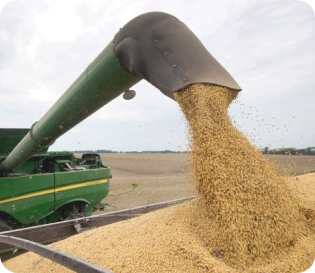
Hectar operates a physical soybeans trading desk focused on the Africa to India corridor. We source soybeans across multiple African producing regions and supply food processors and industrial buyers in India through structured, repeat trade flows built around consistent quality and execution reliability.

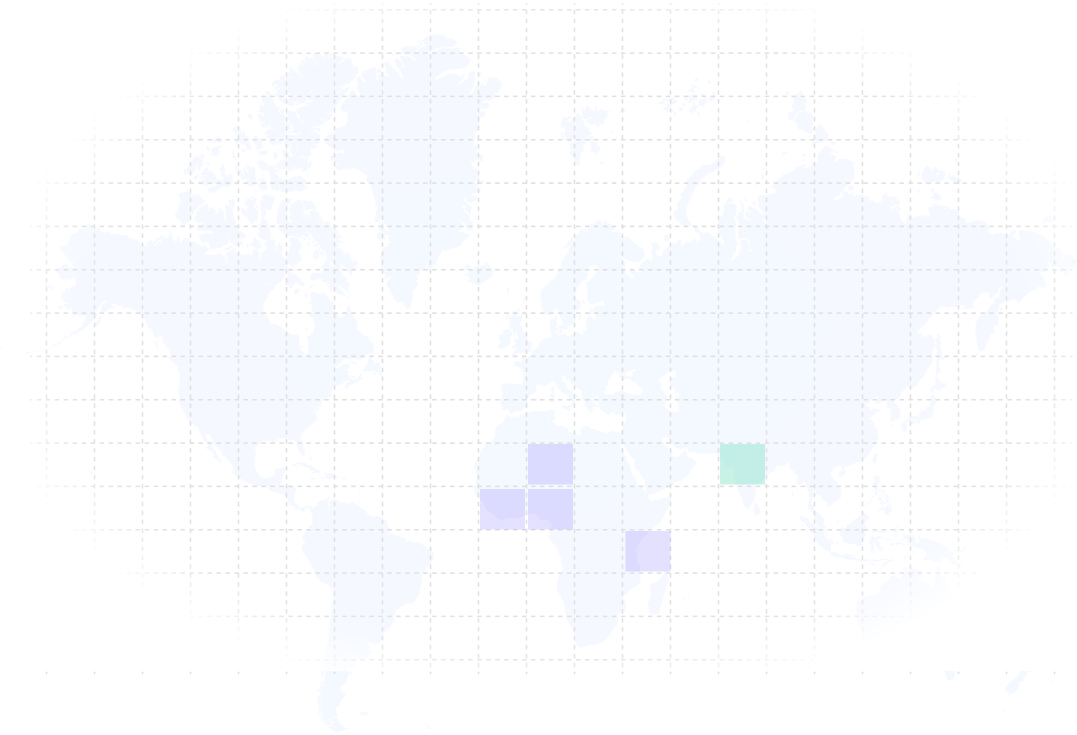
Soybeans World Map
MARKET CONTEXT

Soybeans Trading: African Origins, Indian Processing Demand and Corridor Dynamics

India is one of the world's largest consumers of soybean-derived products, yet domestic soybean production consistently falls short of processing sector demand. This structural deficit creates recurring import demand that African origins are increasingly positioned to supply. The Africa to India soybean corridor has developed substantially over the past decade, driven by competitive FOB pricing from East and West African origins, improving export infrastructure at key African ports, and Indian processor familiarity with African-origin quality profiles. Trading in this corridor requires precise management of quality parameters, logistics timelines, and import market dynamics.

African Soybean Production and Export Origins

African soybean production spans both East and West Africa, with a range of origins contributing to the export pool available to Indian processors. In West Africa, Togo and Benin have developed into established soybean export origins, with aggregation infrastructure concentrated around Lome and Cotonou supporting FOB shipment execution into Indian ports. Niger and Sudan contribute additional volumes from their respective growing regions.

  • In East Africa, Malawi, Zambia, Tanzania, and Kenya produce soybeans with quality profiles that suit Indian crushing and food processing requirements. Malawi is the most significant East African soybean exporter by volume, with production concentrated in the Lilongwe, Kasungu, and Mzimba districts. Dar es Salaam and Mombasa serve as the primary export ports for East African volumes, with vessel scheduling and port congestion at both locations representing key logistics variables.
  • Across all African origins, soybean quality at export is shaped by harvest timing, post-harvest drying and storage practices, and cleaning execution before FOB loading. Quality dispersion is more pronounced in African origins than in major South American origins, making pre-shipment inspection a critical execution control for buyers.

Indian Processing Sector Demand

India's soybean processing sector is concentrated in Madhya Pradesh, Maharashtra, and Rajasthan, where large crushing facilities process soybeans into soybean meal for the domestic animal feed industry and soybean oil for food consumption. India's crushing sector imports soybeans when domestic crop production is insufficient to meet processing plant utilization targets, when imported origin pricing delivers competitive landed costs versus domestic procurement, or when quality consistency from imported origins outperforms variable domestic supply.

  • Import demand from Indian processors is price-sensitive and highly responsive to domestic kharif soybean crop outcomes. A below-average monsoon or a late kharif harvest can trigger a sharp and rapid increase in import enquiries within weeks of the domestic crop assessment. Conversely, a strong domestic crop year suppresses import demand and compresses margins for trading desks operating in the Africa to India corridor. Understanding the domestic Indian crop cycle is therefore an essential input into origination timing decisions.
  • Indian crushers importing African soybeans require specifications aligned to processing sector tolerances: moisture content below 10%, admixture below 2%, and damaged and discoloured beans below 4%. Arrivals that exceed these thresholds are subject to quality deductions, rejection risk, or price renegotiation, making pre-shipment inspection at origin a non-negotiable element of corridor execution.

Corridor Logistics and Execution Variables

The Africa to India soybean corridor involves distinct logistics challenges depending on whether volumes originate from East or West Africa. East African volumes shipped from Dar es Salaam or Mombasa benefit from shorter transit times into Indian west coast ports, particularly Kandla, Mundra, and Nhava Sheva. However, port congestion at both Dar es Salaam and Mombasa is a recurring operational constraint, particularly during peak export periods when multiple commodity flows compete for vessel capacity and berth availability.

  • West African volumes from Lome and Cotonou face longer transit routes to India but benefit from more established port infrastructure and greater vessel frequency. Documentation requirements for soybean imports into India include phytosanitary certification, certificate of origin, and compliance with Food Safety and Standards Authority of India (FSSAI) import regulations covering pesticide residue limits and labelling requirements. Non-compliance with FSSAI standards at Indian ports can result in consignment hold or rejection, creating significant financial exposure for trading desks that do not verify compliance upfront.

Key Trade Risk Factors

The Africa to India soybean corridor carries several risk categories that require active management across the trade lifecycle. Indian import duty and trade policy changes can shift landed cost economics rapidly, altering the competitiveness of African-origin soybeans relative to domestic procurement. The Indian government has historically adjusted soybean import duties in response to domestic oilseed industry lobbying and domestic crop performance, making policy monitoring an ongoing requirement for corridor participants.

  • Currency movements between the US dollar and the Indian rupee affect landed cost calculations for Indian processor buyers, particularly for CFR-priced trades executed months before vessel arrival. Basis risk between FOB pricing at African origins and Indian futures or physical market prices introduces margin exposure on trades with extended execution timelines. Crop failure or export restriction at any single African origin can force procurement substitution to alternative origins at different price points, requiring the trading desk to maintain active relationships across multiple origins simultaneously.

WHO WE ARE?

Specialists in the Soybeans Trade

Operating across African sourcing corridors, we connect soybean supply with processing demand in India.

Soybeans
Soybeans

Africa–India Soybeans Corridor

We source soybeans across multiple African origins and supply Indian food processors with consistent quality and execution reliability.

Soybeans
Soybeans

Built for the Long Term

Our soybeans desk is structured around programmatic buying and long-term partnerships rather than one-off trades.

Soybeans
Soybeans

From Origin to Delivery

We manage procurement, quality alignment, shipment planning, and delivery into India with disciplined corridor-level execution.

FOR SUPPLIERS

Buying Soybeans from African Origins

Hectar is an active buyer of soybeans across multiple African producing regions. We work with exporters and origin partners to aggregate volume, align specifications, and plan shipments in line with seasonal availability.

Why origin partners work with Hectar
  • Soybeans Programmatic buying commitments across the export season aligned to destination processor intake
  • Soybeans Upfront specification alignment on moisture, admixture, and damaged bean tolerances before procurement
  • Soybeans Pre-shipment inspection coordination to verify quality parameters before vessel booking
  • Soybeans Shipment planning integrated with Indian destination port schedules and customs clearance timelines
  • Soybeans Full trade documentation management including phytosanitary certification, certificate of origin, FSSAI compliance documentation, and weight and quality inspection reports
Primary sourcing origins
Benin Benin
Ghana Ghana
Kenya Kenya
Malawi Malawi
Niger Niger
Sudan Sudan
Togo Togo
FOR BUYERS

Supplying Soybeans to India

Hectar supplies soybeans to food processors and industrial buyers in India. We work closely with counterparties that require consistency on quality, predictable shipment schedules, and disciplined execution.

What processors care about
  • Soybeans Moisture content below 10%, verified by pre-shipment inspection at origin
  • Soybeans Admixture below 2%, with cleaning aligned to destination tolerance before FOB loading
  • Soybeans Damaged and discoloured beans below 4%, with inspection reports covering the full shipment lot
  • Soybeans FSSAI-compliant documentation and pesticide residue certification aligned to Indian import regulations
  • Soybeans Reliable arrival timing with advance ETD and ETA communication to allow processing plant scheduling
  • Soybeans Structured claims process with defined resolution timelines and documented escalation procedures

Our trading desk structures procurement and supply decisions around destination processing requirements and corridor logistics realities.

Product & Trade Specifications

Hectar trades soybeans aligned with destination market specifications. Specification alignment is treated as a core part of trade execution.

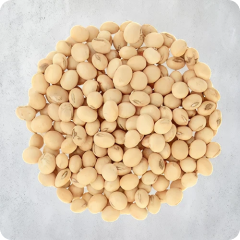
Soybeans Specifications
MOISTURE
Maximum 10%
ADMIXTURE
Maximum 2%
DAMAGED & DISCOLOURED
Maximum 4%
ORIGINS
Benin Benin
Ghana Ghana
Kenya Kenya
Malawi Malawi
Niger Niger
Sudan Sudan
Togo Togo

OUR KEY FOCUS

Risk, Quality and Market Intelligence

Soybeans trading involves exposure to crop variability, quality dispersion, logistics constraints, and price movement. Hectar manages these risks through structured monitoring and disciplined execution.

Indian Domestic Crop and Import Demand Correlation

Indian soybean import demand is directly correlated with domestic kharif crop performance. A below-average monsoon season can shift Indian processors from domestic procurement to import buying within weeks of the harvest assessment. Conversely, a strong domestic crop year can effectively close the import market for a full season. Hectar monitors Indian crop development and domestic price trends to calibrate origination timing and forward commitment levels across the Africa to India corridor.

African Origin Quality Variability

Quality outcomes for African-origin soybeans vary significantly across origins, seasons, and individual suppliers. Post-harvest drying practices, storage conditions, and cleaning execution before FOB loading are the primary determinants of arrival quality at Indian ports. Hectar manages quality risk through upfront specification alignment with exporters, pre-shipment inspection at origin, and documented tolerances that define the basis for any quality claims on arrival.

Indian Import Policy and Duty Risk

Indian soybean import duties and trade policy conditions have historically been subject to adjustment in response to domestic oilseed sector pressures and crop performance outcomes. Duty increases raise landed costs and can make African-origin soybeans uncompetitive relative to domestic procurement at short notice, exposing trades with extended forward execution timelines to margin compression or loss. Policy monitoring is an ongoing requirement for all participants in the Africa to India corridor.

Port Execution and Logistics Delays

Congestion at East African ports, particularly Dar es Salaam and Mombasa, is a structural logistics risk for East African soybean exports. Vessel scheduling delays, berth unavailability, and documentation processing timelines can push shipment windows and cause arrival timing mismatches at Indian destination ports. Hectar plans shipments with buffer timelines, monitors vessel positioning from loading through arrival, and communicates proactively with destination buyers on ETD and ETA changes.

Market Intelligence & Thought Leadership

Our trading activity is supported by ongoing market analysis, crop intelligence, and
trade-flow research published on Hectar Insights.

Explore all

Frequently Asked Questions

Here are answers to common questions we receive from suppliers at origin and processors in destination markets, covering trade structures, specifications, quality controls, and how to engage with Hectar's trading desk.

We source soybeans from multiple African origins including Togo, Benin, Niger, Ghana, Sudan, Kenya, and Malawi. Our multi-origin sourcing approach allows us to manage availability and quality variation across crop cycles and seasons.

We trade soybeans with moisture content below 10%, admixture below 2%, and damaged and discoloured beans below 4%. These parameters are aligned to Indian processing sector requirements and are verified through pre-shipment inspection at origin before vessel booking.

We operate across multiple physical trade structures including FOB purchases at African origins and CFR supply into Indian ports, depending on counterparty requirements and corridor logistics conditions.

Submit an enquiry through the contact form on this page with details on your role, location, volume requirements, and specification needs. Our soybeans trading desk will respond with a structured onboarding conversation.

We supply food processors and industrial buyers in India, including crushing facilities and food manufacturing operations that require consistent quality, predictable arrival windows, and FSSAI-compliant import documentation.

We manage FSSAI compliance as part of the standard documentation package for each shipment. This includes pesticide residue certificates, phytosanitary documentation from origin, and labelling compliance aligned to Indian import regulations. We coordinate with approved laboratories and inspection agencies to ensure documentation is complete before vessel departure.

Ready to engage with Hectar's
Soybeans Desk?

If you are a supplier at origin or a buyer in destination markets, submit the contact form and we'll connect you with the Soybeans trading desk.