Sesame Seeds

Sesame Seeds Trading Desk - Niger & Nigeria to China, South Korea & Japan

Hectar operates a physical sesame seeds trading desk across the West Africa to Asia corridor. We originate sesame seeds from Niger and Nigeria, supply high-specification destination markets across China, South Korea, and Japan, and manage the complete trade lifecycle from farm-gate sourcing through destination delivery.

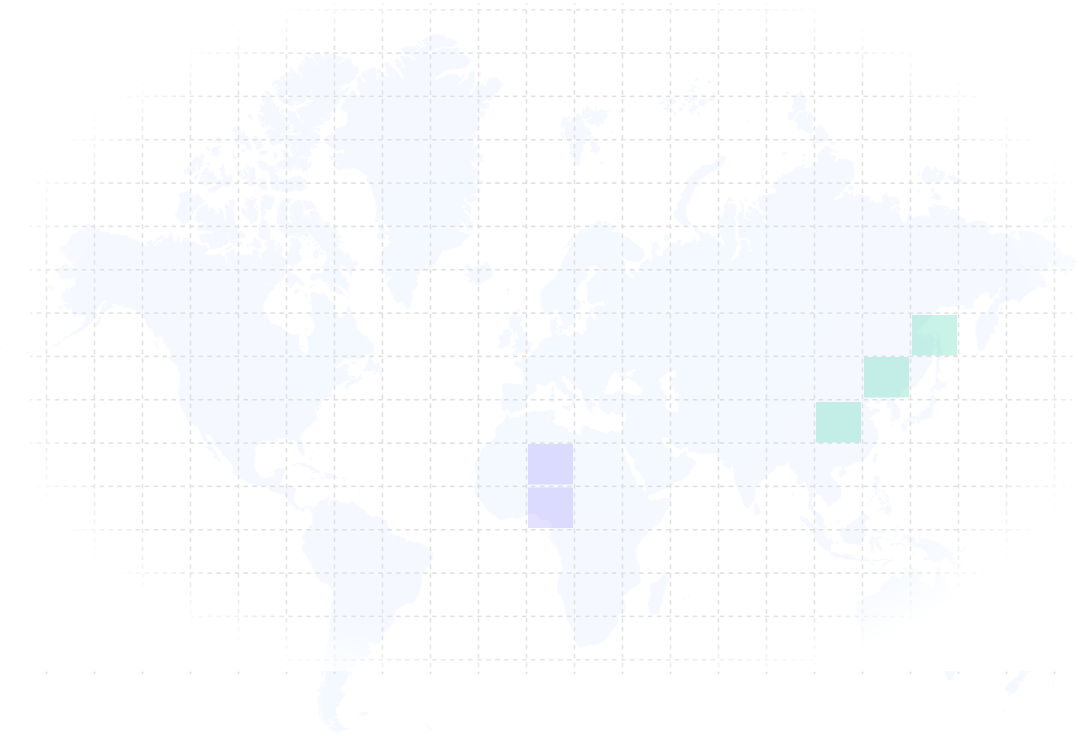
Sesame Seeds World Map
MARKET CONTEXT

Sesame Seeds Trading: Origins, Flows and Market Dynamics

The global sesame seed trade is concentrated along a small number of high-volume corridors, with West African origins supplying the majority of Asian import demand. Niger and Nigeria are consistently ranked among the world's top sesame seed exporters by volume, and the West Africa to China corridor represents one of the most active agricultural commodity trade routes in the world. Executing reliably within this corridor requires deep knowledge of origin crop cycles, destination quality specifications, and the logistics and documentation constraints that determine whether shipments arrive on time and on specification.

West African Production and Export Origins

Niger and Nigeria together account for a substantial share of global sesame seed export volumes each year. Niger's production is concentrated in the Tillaberi, Dosso, Tahoua, and Zinder regions, where the Whitish variety dominates. Nigeria's sesame belt runs through the north-central and northeast states, with Jigawa, Nassarawa, Benue, Taraba, and Kogi producing the bulk of export-grade Lafia and Whitish varieties. Nigerian sesame exports have grown significantly over the past decade, driven by improving aggregation infrastructure and growing Chinese import demand for FOB-priced West African origin supply.

  • Both origins face common execution challenges: rainfall variability in the Sahel affects moisture content and cleaning outcomes year to year, crop aggregation from smallholder farmers creates quality dispersion within shipment lots, and port constraints at Lagos and Cotonou create unpredictable shipment windows. Managing these variables requires structured procurement, pre-shipment inspection, and shipment planning aligned to destination intake cycles.

Destination Markets and Import Specifications

China is the world's largest importer of sesame seeds, importing predominantly for sesame oil extraction and sesame paste production. Chinese import requirements set the global benchmark for quality: purity above 99%, admixture below 1%, and moisture content at a maximum of 8%. Cleaning and drying performance at origin is therefore a primary determinant of whether a shipment meets Chinese buyer specifications or is subject to quality claims and price adjustments on arrival.

  • South Korea and Japan represent secondary but higher-value destination markets within Hectar's trading corridor. Both markets apply stricter quality premiums than China, with South Korean and Japanese processors placing additional emphasis on colour uniformity, seed size consistency, and maximum residue limit compliance for pesticide traces. Supply into these markets requires more selective procurement at origin and closer pre-shipment inspection management than the Chinese market standard.

Corridor Pricing and Competitive Origins

Pricing in the West Africa to China sesame corridor is benchmarked daily against competing origins. Ethiopia and Sudan are the primary African alternatives, with Ethiopian sesame — especially the Humera variety — regarded as a premium product due to its colour and cleaning consistency. Indian sesame, predominantly from Gujarat and Rajasthan, competes on price in the Chinese import market but faces a different harvest calendar and quality profile.

  • Niger and Nigeria compete primarily on price per metric tonne FOB, with quality-adjusted spread against Humera Ethiopian sesame reflecting the execution risk premium buyers assign to West African origins. When origin spreads tighten — typically following a strong West African crop season — Chinese buyers increase their proportion of Niger and Nigeria procurement. This price correlation makes corridor timing a critical execution variable for trading desks operating in this market.

Key Trade Risk Factors

Sesame seed trading across the West Africa to Asia corridor involves several structural risk factors that require active management throughout the trade lifecycle. Rainfall timing and intensity in the Sahel belt directly affects crop yields, moisture content at harvest, and the availability of clean, export-ready material during the peak shipment window. Poor drying conditions at farm level result in high-moisture lots that require additional cleaning passes and drive up processing costs before export.

  • Port execution risk at Lagos and Cotonou is a recurring operational variable. Vessel scheduling delays, port congestion, and documentation processing timelines affect shipment reliability and can cause arrival timing mismatches at destination. Quality dispersion within aggregated lots is another consistent challenge: sesame procured from smallholder networks requires strict pre-shipment inspection and cleaning alignment to deliver within the purity and moisture tolerances required by Chinese and Korean buyers.

WHO WE ARE?

Specialists in the Sesame Seeds Trade

Operating across West Africa–Asia trade routes, we connect sesame seeds supply with high-specification destination markets.

Sesame Seeds
Sesame Seeds

Niger & Nigeria–Asia Corridor

We originate sesame seeds from Niger and Nigeria and supply buyers across China, South Korea, and Japan.

Sesame Seeds
Sesame Seeds

Built for the Long Term

We focus on repeat, quality-driven trade flows, aligning closely with origin partners and destination buyers over multiple seasons.

Sesame Seeds
Sesame Seeds

From Origin to Delivery

We oversee sourcing, cleaning alignment, quality control, logistics coordination, and delivery into Asian destination markets.

FOR SUPPLIERS

Buying Sesame Seeds from Origin Markets

Hectar is an active buyer of sesame seeds from Niger and Nigeria, with procurement structured around quality requirements, shipment windows, and repeat trade flows.

How we work at origin
  • Sesame Seeds Repeat procurement commitments across the export season, not single spot purchases
  • Sesame Seeds Specification alignment upfront on purity, admixture, and moisture parameters before procurement
  • Sesame Seeds Pre-shipment inspection coordination at origin to verify quality before vessel booking
  • Sesame Seeds Shipment planning integrated with destination buyer intake schedules
  • Sesame Seeds Structured trade documentation covering phytosanitary certification, certificate of origin, weight certificates, and quality inspection reports
Primary sourcing origins
Niger Niger
Nigeria Nigeria
FOR BUYERS

Supplying Sesame Seeds to Asia

China is the primary destination market for Hectar’s sesame seeds trading activity, with additional supply into South Korea and Japan depending on market demand and quality requirements.

What buyers value
  • Sesame Seeds 99% purity minimum with admixture below 1%, aligned to Chinese import benchmark specifications
  • Sesame Seeds Moisture content at a maximum of 8%, verified by pre-shipment inspection at origin
  • Sesame Seeds Consistent cleaning outcomes across the full shipment lot, not just inspection samples
  • Sesame Seeds Clear documentation package covering all destination customs and phytosanitary requirements
  • Sesame Seeds Structured claims process with defined timelines and escalation procedures

Supply decisions are structured around destination requirements and prevailing market conditions, with strict discipline on quality parameters.

Product & Trade Specifications

Hectar trades sesame seeds aligned with destination market requirements, with quality parameters treated as core execution controls.

Sesame Seeds Specifications
VARIANTS
Whitish, Lafia
MOISTURE
Maximum 8%
QUALITY
99% purity
ORIGINS
Niger Niger
Nigeria Nigeria

Specification alignment is handled upfront, with inspection, documentation, and structured claims processes integrated into the trade lifecycle.

OUR KEY FOCUS

Risk, Quality and Market Intelligence

Sesame markets are influenced by crop variability, cleaning outcomes, moisture behaviour, and shipment execution. Hectar manages these factors through structured monitoring and disciplined trade execution.

Origin Crop and Availability Risk

Sesame crop yields in Niger and Nigeria are directly affected by Sahel rainfall patterns. A late or insufficient rainy season reduces harvestable area, increases moisture content in harvested material, and tightens FOB availability during the export window. Hectar monitors crop development across producing regions from early in the growing season to calibrate procurement timing and volume commitments.

Cleaning and Quality Dispersion

Sesame aggregated from smallholder networks in West Africa exhibits natural quality dispersion across individual lots. Cleaning performance — the process of removing foreign matter, broken seeds, and discoloured seeds — is the primary variable that determines whether a shipment achieves the purity and admixture tolerances required by Chinese and Korean buyers. Hectar aligns cleaning specifications with exporters upfront and validates outcomes through pre-shipment inspection before vessel booking.

Shipment Execution and Port Risk

Port congestion at Lagos and Cotonou is a structural execution risk for West African sesame exports. Vessel scheduling delays and documentation processing timelines can cause shipment windows to shift, affecting destination arrival timing and potentially exposing trades to unfavorable market movements during transit. Hectar plans shipments with buffer timelines and monitors vessel positioning through AIS tracking from loading through arrival.

Destination Quality Claims

Destination markets apply strict quality and weight verification upon discharge. Variations in moisture migration during transit, container handling conditions, or pre-shipment cleaning inconsistencies can result in quality or shortage claims. Hectar mitigates this risk through independent pre-shipment inspection, sealed loading protocols, documented sampling procedures, and clear contract specifications aligned with destination standards to reduce exposure to post-arrival disputes.

Market Intelligence & Thought Leadership

Our trading activity is supported by ongoing market analysis, crop intelligence, and
trade-flow research published on Hectar Insights.

Explore all

Frequently Asked Questions

Here are answers to common questions we receive from suppliers at origin and processors in destination markets, covering trade structures, specifications, quality controls, and how to engage with Hectar's trading desk.

We source sesame seeds primarily from Niger and Nigeria. Niger's production comes from the Tillaberi, Dosso, Tahoua, and Zinder regions, producing Whitish and Lafia varieties. Nigeria's sesame belt covers Jigawa, Nassarawa, Benue, Taraba, and Kogi states, with exports processed through aggregation hubs at Kano and Lagos.

We trade Whitish and Lafia sesame varieties at 99% purity minimum, admixture below 1%, and moisture content at a maximum of 8%. These specifications are aligned to Chinese import benchmark requirements and are verified through pre-shipment inspection at origin before loading.

We operate across multiple physical trade structures depending on origin, destination, and counterparty requirements. FOB purchases at origin and CFR supply into destination markets are both within our standard execution framework.

Specification alignment is completed before procurement. Pre-shipment inspection is conducted at origin to verify purity, moisture, and admixture parameters. We retain full documentation from inspection through delivery. Claims are handled through a structured process with defined timelines and documented escalation paths.

Submit an enquiry through the contact form on this page with details on your role, location, volume requirements, and specification needs. Our sesame seeds trading desk will respond with a structured onboarding conversation.

China is the primary destination market for our sesame seeds trading desk. We supply additional volume into South Korea and Japan depending on prevailing demand, quality availability, and destination buyer requirements for those markets.

Ready to engage with Hectar's
Sesame Seeds Desk?

If you are a supplier at origin or a buyer in destination markets, submit the contact form and we'll connect you with the Sesame Seeds trading desk.