Pigeon Peas

Pigeon Peas Trading Desk - East Africa and Global Origins to India

Hectar operates a physical pigeon peas trading desk supplying the Indian market. We originate pigeon peas from Tanzania, Mozambique, Malawi, Myanmar, and Australia, and supply processors and buyers in India through structured, repeat trade flows built around consistent quality alignment and execution discipline.

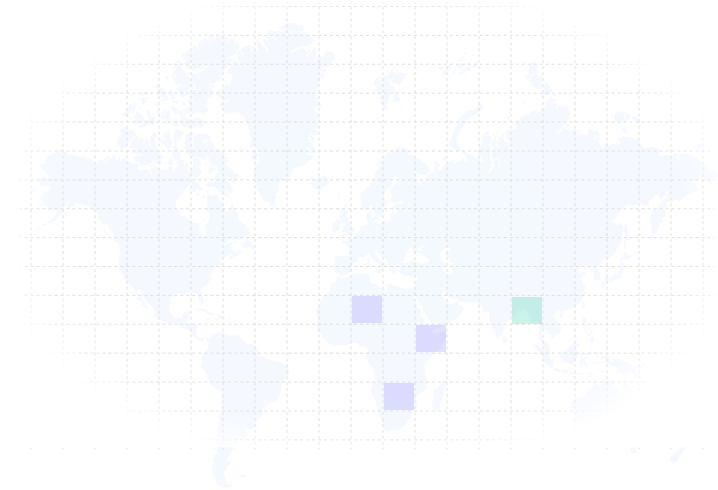
Pigeon Peas World Map
MARKET CONTEXT

Pigeon Peas Trading: Origins, Indian Demand and Corridor Dynamics

Pigeon peas, known in Indian trade as toor or arhar dal after processing, are one of India's most consumed pulse crops and among the most structurally significant agricultural commodity import flows into the country. India is the world's largest producer, consumer, and importer of pigeon peas, yet domestic production consistently falls short of processing and consumption demand in most years, creating a structural import dependency on foreign supply. East Africa, particularly Tanzania, Mozambique, and Malawi, supplies the majority of India's import requirements, with Myanmar and Australia providing supplementary volumes across different quality grades and seasonal windows. The pigeon peas import corridor into India is one of the highest-volume pulse trade flows in the world and one of the most exposed to Indian government agricultural policy intervention.

East African Pigeon Pea Origins

Tanzania is the dominant pigeon pea export origin in East Africa and one of the most important single origins for Indian pigeon pea import supply. Tanzanian pigeon pea production is concentrated in the central and southern regions, with Dodoma, Singida, Tabora, Arusha, Mtwara, and Lindi districts contributing the majority of exportable volumes. The Tanzanian crop is primarily a smallholder crop, harvested between June and September with FOB export activity running from July through November from Dar es Salaam port.

  • Tanzanian pigeon peas are characterized by a range of seed sizes, with bold-seeded material commanding significant price premiums at Indian destination markets over medium and small-seeded grades. Quality parameters at destination focus on purity, moisture, and the bold-to-medium seed ratio within a given lot, which determines splitting yield and dal quality outcomes for Indian processors. Tanzania's position as the primary origin for India's pigeon pea imports means that Tanzanian crop performance, FOB price movements, and export availability have an outsized influence on Indian import pricing in most seasons.
  • Mozambique is the second largest East African pigeon pea exporter, with production concentrated in the northern provinces of Cabo Delgado, Nampula, and Niassa, as well as the Tete province in the interior. Mozambican pigeon peas are exported through the port of Nacala, which serves as the primary export gateway for northern Mozambican agricultural production, and through Beira for volumes originating in the central and Tete regions. Malawi produces pigeon peas across its central and northern districts, with Kasungu, Mzimba, and Chitipa among the primary growing areas, and exports through Dar es Salaam given Malawi's landlocked position and the established Dar es Salaam transit route for Malawian agricultural exports.

Myanmar and Australia: Supplementary Origins

Myanmar contributes supplementary pigeon pea supply to the Indian market, primarily in the form of small and medium-seeded grades that compete on price with lower-grade East African material. Myanmar's pigeon pea production is concentrated in the dry zone of Mandalay and Magway divisions, with exports processed through the Yangon and Thilawa export chain. Myanmar pigeon pea exports are subject to the same banking and compliance complexities that affect all Myanmar-origin agricultural commodity trades, requiring specific knowledge and established financial relationships to execute cleanly.

  • Australia produces pigeon peas in Queensland, where the crop is grown on a smaller scale than other pulse crops but contributes consistent, high-quality supply that meets Indian import specifications with reliable purity and moisture outcomes from mechanized harvesting and post-harvest handling. Australian-origin pigeon peas are typically priced at a premium to East African origins and compete on quality and consistency rather than on price. Australian supply provides Indian buyers with an alternative option during periods when East African availability is tight or when East African quality outcomes in a given season are below expectation.

Indian Pigeon Pea Import Market

India's domestic pigeon pea (toor) crop is sown as a kharif crop during the June to July sowing season and harvested between October and January. Domestic production estimates released by the Ministry of Agriculture's Directorate of Economics and Statistics are the primary trigger for import demand activity: a below-average kharif toor crop assessment drives Indian buyers and dal millers to accelerate import procurement from East African and other origins, often within weeks of the government estimate release.

  • Indian pigeon pea import demand is distributed across a large number of dal millers, most of whom operate in Maharashtra, Andhra Pradesh, Uttar Pradesh, and Madhya Pradesh. Indian processors split pigeon peas into toor dal (dehusked and split) for sale to the retail and food service market. The import size range preference of Indian processors varies by application, with bold-seeded material from Tanzania and Mozambique favored for premium dal production and medium and small-seeded grades used in lower-price market segments.
  • The Indian government actively manages domestic toor prices through import duty adjustments, buffer stock procurement by the National Cooperative Exports Limited (NCEL), and at times through import restriction or promotion depending on domestic price conditions. Toor dal retail prices are politically sensitive in India, making this one of the most policy-active pulse import corridors in the country. Import duty on pigeon peas has ranged from zero to over 50% across recent years, and the current duty level is a primary input into landed cost calculations and trading decisions for all corridor participants.

Key Trade Risk Factors

Indian toor price policy is the most significant risk variable in the pigeon peas corridor. The Indian government's willingness and history of rapid import duty adjustments, buffer stock operations, and export promotion or restriction create a policy environment that can shift corridor economics materially within a single trade cycle. Active monitoring of Indian Ministry of Agriculture crop assessments, Ministry of Commerce duty notifications, and NCEL procurement activity is a non-negotiable requirement for pigeon pea trading desk management.

  • East African crop variability affects supply availability and FOB pricing from the primary origins. Tanzanian and Mozambican pigeon pea yields are sensitive to rainfall distribution during the growing season, with below-average or poorly distributed rains reducing harvestable yields and marketable quality. Quality dispersion within East African smallholder-sourced lots requires careful aggregation, cleaning, and pre-shipment inspection management to deliver within Indian processor purity and moisture tolerances. Vessel availability from Dar es Salaam and Nacala during the East African pulse export season (which coincides with other commodity export windows) creates structural logistics pressure that requires advance vessel booking and buffer timeline planning.

WHO WE ARE?

Specialists in the Pigeon Peas Trade

Operating across diversified global origins, we connect pigeon peas supply with consistent demand from the Indian market.

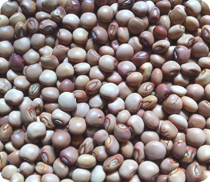
Pigeon Peas
Pigeon Peas

Africa–India Soybeans Corridor

We source soybeans across multiple African origins and supply Indian food processors with consistent quality and execution reliability.

Pigeon Peas
Pigeon Peas

Built for the Long Term

Our soybeans desk is structured around programmatic buying and long-term partnerships rather than one-off trades.

Pigeon Peas
Pigeon Peas

From Origin to Delivery

We manage procurement, quality alignment, shipment planning, and delivery into India with disciplined corridor-level execution.

FOR SUPPLIERS

Buying Pigeon Peas from Origin Markets

Hectar sources pigeon peas from a diversified set of origins, allowing flexibility across crop cycles, quality profiles, and shipment windows.

How we work at origin
  • Pigeon Peas Season-aligned procurement covering the East African export window (July to November) and supplementary origins
  • Pigeon Peas Seed size grade alignment: bold, medium, and small seeded, matched to Indian destination buyer requirements
  • Pigeon Peas Pre-shipment inspection covering purity, moisture, admixture, and seed size distribution
  • Pigeon Peas Documentation management including phytosanitary certificates, certificates of origin, weight certificates, and quality inspection reports compliant with Indian import regulations
  • Pigeon Peas Active monitoring of Indian import duty policy to align shipment timing and trade structuring with duty environment
Primary sourcing origins
Australia Australia
Myanmar Myanmar
Malawi Malawi
Mozambique Mozambique
Tanzania Tanzania
FOR BUYERS

Supplying Pigeon Peas to India

India is the primary destination market for Hectar’s pigeon peas trading activity. We supply processors and buyers that require consistency in quality, predictable arrivals, and disciplined execution.

What buyers value
  • Pigeon Peas Seed size grade alignment: bold-seeded for premium toor dal production, medium and small for standard grade markets
  • Pigeon Peas Minimum 98% purity with admixture within Indian import market tolerance levels
  • Pigeon Peas Moisture content at a maximum of 8%, verified by pre-shipment inspection at origin
  • Pigeon Peas FSSAI-compliant import documentation including phytosanitary certificates and certificate of origin
  • Pigeon Peas Reliable shipment scheduling with advance ETD and ETA communication for processing plant planning
  • Pigeon Peas Structured claims process with documented resolution timelines and escalation paths

Supply decisions are structured around destination processing requirements and prevailing market conditions.

Product & Trade Specifications

Hectar trades pigeon peas aligned with destination market specifications and processing requirements.

Pigeon Peas Specifications
QUALITY
98% purity
MOISTURE
Maximum 8%
ORIGINS
Arusha, Mtwara, Dodoma
ORIGINS
Australia Australia
Myanmar Myanmar
Malawi Malawi
Mozambique Mozambique
Tanzania Tanzania

OUR KEY FOCUS

Risk, Quality and Market Intelligence

Pigeon peas markets are influenced by crop variability, policy considerations, and demand seasonality. Hectar manages these factors through structured monitoring and disciplined trade execution.

Indian Import Duty and Toor Price Policy

India's import duty on pigeon peas is one of the most actively adjusted pulse duty rates in the country's agricultural trade policy framework. Duty changes and government buffer stock operations can alter corridor economics materially at short notice. Hectar monitors Indian Ministry of Agriculture crop assessments, Ministry of Commerce duty notifications, and NCEL procurement activity as standard inputs into trade structuring and shipment timing decisions.

East African Crop Variability

Tanzanian and Mozambican pigeon pea yields are sensitive to growing season rainfall distribution. Below-average yields reduce export availability, tighten FOB prices, and can force procurement substitution to alternative origins. Hectar monitors East African crop development reports and maintains procurement relationships across multiple origins to reduce single-origin concentration risk.

Smallholder Quality Dispersion

East African pigeon peas are predominantly sourced from smallholder farming networks, creating quality dispersion in aggregated lots that requires careful cleaning and pre-shipment inspection management. Seed size distribution, moisture, and purity must be verified across the full shipment lot rather than based on small samples to ensure Indian processor specifications are met on arrival.

Logistics and Port Execution

Vessel availability from Dar es Salaam and Nacala during the East African pulse export season is a recurring logistics constraint. Advance vessel booking, buffer timeline planning, and proactive communication with destination buyers on shipment timing changes are standard components of East African corridor execution for this commodity.

Market Intelligence & Thought Leadership

Our trading activity is supported by ongoing market analysis, crop intelligence, and
trade-flow research published on Hectar Insights.

Explore all

Frequently Asked Questions

Here are answers to common questions we receive from suppliers at origin and processors in destination markets, covering trade structures, specifications, quality controls, and how to engage with Hectar's trading desk.

We source pigeon peas from Tanzania, Mozambique, Malawi, Myanmar, and Australia. Tanzania is our primary origin, supplying bold, medium, and small-seeded material from the Dodoma, Singida, Tabora, Arusha, Mtwara, and Lindi regions through Dar es Salaam during the July to November export window.

We trade bold, medium, and small-seeded pigeon peas across our origin portfolio. Bold-seeded material, particularly from Tanzania and Malawi, commands premium pricing at Indian destinations and is used for premium toor dal production. Medium and small-seeded grades supply standard grade market segments.

Our standard specifications are 98% purity minimum and maximum 8% moisture, aligned to Indian import market requirements. Seed size distribution within each grade is aligned to Indian destination buyer requirements on a trade-by-trade basis.

Quality parameters are aligned upfront, supported by inspection, documentation, and structured claims handling.

We monitor Indian Ministry of Agriculture crop assessments, Ministry of Commerce duty notifications, and NCEL procurement activity as standard inputs into our trading desk's risk management and trade structuring process. Duty risk is managed through trade timing decisions and, where possible, trade structuring that limits forward exposure to unanticipated duty changes.

Yes. Dal millers are among the primary buyers for our pigeon peas trading desk. We supply millers that require seed size grade clarity, consistent arrival quality, FSSAI-compliant import documentation, and reliable scheduling to align with processing plant intake cycles.

Ready to engage with Hectar's
Pigeon Peas Desk?

If you are a supplier at origin or a buyer in destination markets, submit the contact form and we'll connect you with the Pigeon Peas trading desk.