Desi Chickpeas

Desi Chickpeas Trading Desk - Tanzania & Australia to South Asia

Hectar operates a physical desi chickpeas trading desk supplying South Asia, including India and Bangladesh. We originate desi chickpeas from key producing regions and work closely with processors and buyers through structured, repeat trade flows.

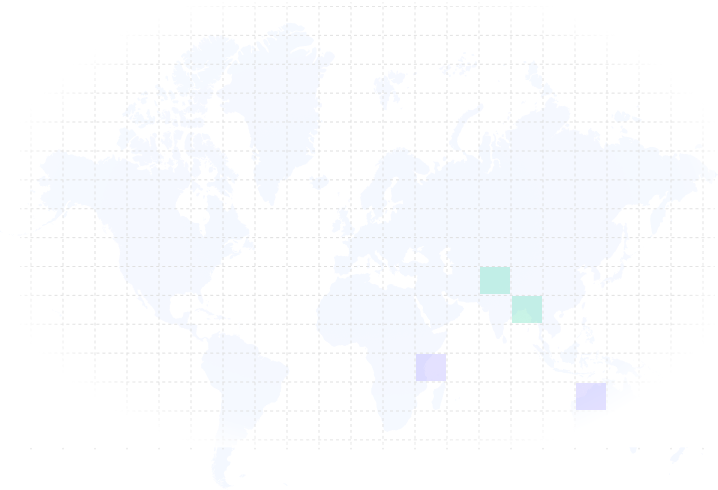
Desi Chickpeas World Map
MARKET CONTEXT

Desi Chickpeas Trading: Origins, South Asian Demand and Corridor Dynamics

Desi chickpeas are a structurally important pulse commodity across South Asia, where they are processed into chana dal, besan (chickpea flour), roasted whole chickpeas, and a range of packaged pulse products consumed daily across India, Bangladesh, Pakistan, and Sri Lanka. India and Bangladesh are the world's largest importers of desi chickpeas by volume, with combined annual import demand frequently exceeding one million metric tonnes in deficit years. This structural import dependency on foreign supply — particularly from Australia and Tanzania — makes the South Asian desi chickpea import market one of the most consistently active pulse trade corridors globally.

Australia: The Global Benchmark Origin

Australia is the world's dominant exporter of desi chickpeas into South Asia, with production concentrated in Queensland, New South Wales, and Western Australia. Australian desi chickpea cultivation benefits from mechanized harvesting, post-harvest cleaning infrastructure, and aggregation systems that deliver large volumes of high-purity, consistently graded material suited to South Asian processing specifications. Australian export volumes into India and Bangladesh are concentrated in the post-harvest window between April and August, when freshly harvested material from the winter crop is cleaned, bagged, and loaded for FOB export from East Coast and West Coast Australian ports.

  • Australian desi chickpeas are the global pricing benchmark for the South Asian import market. FOB prices from Queensland and Western Australia are the reference point against which all other origins are assessed by Indian and Bangladeshi buyers. Australian origin material is valued for its consistent kernel size, high purity outcomes from mechanized cleaning, and reliable moisture management from harvest through export. When Australian production is strong, the volume of large-lot, uniform-quality supply suppresses FOB prices and makes it difficult for alternative origins to compete on quality-adjusted price. When Australian production falls short due to drought or growing season rainfall deficits, import markets tighten and alternative origins including Tanzania gain market share.

Tanzania: A Competitive Alternative Origin

Tanzania has emerged as a meaningful alternative origin for desi chickpea imports into South Asia, particularly for Indian and Bangladeshi buyers seeking price optionality relative to Australian benchmark pricing. Tanzanian desi chickpea production is concentrated in the northern and central regions, with Arusha, Manyara, Dodoma, and Singida contributing the majority of exportable volumes. Tanzania's harvest season runs from June to September, creating a supply window that partially overlaps with the Australian export season and extends the period during which fresh-crop material is available for FOB loading.

  • Tanzanian desi chickpeas are generally smaller in kernel size than Australian-origin material and carry a slight discount to Australian FOB prices, reflecting both the size differential and the additional cleaning and quality management effort required to meet Indian and Bangladeshi processor specifications. Tanzanian origin supply is loaded through Dar es Salaam port, with Indian Ocean transit times into Indian west coast ports (Kandla, Mundra, Nhava Sheva) and Chittagong in Bangladesh being among the shortest available for this commodity corridor. The cost advantage from lower FOB prices and competitive freight rates from Dar es Salaam makes Tanzanian desi chickpeas an economically attractive import option for price-sensitive South Asian buyers, particularly in years when Australian prices are elevated.

South Asian Import Market Dynamics

India's desi chickpea import market is heavily influenced by domestic policy. The Indian government manages pulse prices through a combination of import duty adjustments, minimum support price operations, and stock limit regulations that affect when and at what cost imported material can be sold into the domestic market. Import duties on desi chickpeas (chana) have been adjusted multiple times in recent years, with duty levels shifting between zero and as high as 66% depending on domestic price conditions and government policy objectives. Trading desks operating in this corridor must monitor Indian trade policy developments as a primary input into trade structuring and timing decisions.

  • Bangladesh represents a structurally different import demand profile. The Bangladeshi desi chickpea import market is driven by dal processing sector demand that is less directly affected by domestic production variability — Bangladesh produces minimal chickpeas domestically — and less subject to the policy intervention that characterizes Indian import demand. Bangladeshi processors import year-round on a programmatic basis to supply the domestic chana dal market, with Chittagong as the primary import port. This creates more predictable procurement patterns for trading desks supplying Bangladesh compared to the policy-sensitive Indian market.

Key Trade Risk Factors

Indian import duty risk is the most significant policy-driven risk in the desi chickpea corridor. Rapid duty adjustments can move landed cost economics by 10% to 20% or more within a single trade cycle, creating significant margin risk for trades with extended forward execution timelines. Maintaining awareness of Indian government pulse policy intentions and trade ministry consultations is an essential input into corridor risk management.

  • Australian crop risk is the primary supply-side variable. El Nino and La Nina cycles, rainfall deficits during the growing season in Queensland and New South Wales, and frost events during the pod formation stage can all materially reduce Australian export availability. When Australian supply contracts, Tanzanian origin demand spikes and FOB prices from Dar es Salaam rise to partially compensate. Quality variability at Tanzanian origin is also a risk factor: moisture content, small seed percentage, and admixture levels require careful management at the aggregation and cleaning stage to deliver within Indian and Bangladeshi processor tolerances.

WHO WE ARE?

Specialists in the Desi Chickpeas Trade

Operating across multiple origin markets, we connect desi chickpeas supply with processing demand across South Asia.

Desi Chickpeas
Desi Chickpeas

Tanzania & Australia–South Asia Corridor

We source desi chickpeas from Tanzania and Australia and supply processors and buyers across India and Bangladesh.

Desi Chickpeas
Desi Chickpeas

Built for the Long Term

Our trading approach is anchored in repeat procurement and consistent execution across crop cycles, not opportunistic buying.

Desi Chickpeas
Desi Chickpeas

From Origin to Delivery

We manage the full trade flow—origin sourcing, quality alignment, shipment coordination, and delivery into South Asian markets.

FOR SUPPLIERS

Buying Desi Chickpeas from Origin Markets

Hectar sources desi chickpeas from origins with established export flows into South Asia. Procurement is aligned to crop cycles, quality outcomes, and shipment windows.

Why suppliers work with Hectar
  • Desi Chickpeas Season-aligned procurement commitments in Tanzania (June to September harvest) and Australia (April to August export window)
  • Desi Chickpeas Upfront specification alignment on purity, moisture, and kernel size parameters before procurement
  • Desi Chickpeas Pre-shipment inspection at origin to verify quality before vessel booking and documentation issuance
  • Desi Chickpeas Documentation management including phytosanitary certificates, certificates of origin, weight certificates, and quality inspection reports aligned to Indian and Bangladeshi import requirements
  • Desi Chickpeas Active monitoring of Indian import duty policy to time procurement and shipment execution appropriately
Primary sourcing origins
Australia Australia
Tanzania Tanzania
FOR BUYERS

Supplying Desi Chickpeas to South Asia

South Asia is the primary destination for Hectar’s desi chickpeas trading activity. We supply processors and buyers that require consistency in quality, predictable arrivals, and disciplined execution.

What buyers value
  • Desi Chickpeas Minimum 98% purity with admixture within destination market tolerance levels
  • Desi Chickpeas Moisture content at a maximum of 8%, verified by pre-shipment inspection at origin
  • Desi Chickpeas Kernel size consistency aligned to Indian dal processing and Bangladeshi market requirements
  • Desi Chickpeas Full phytosanitary and origin documentation compliant with FSSAI regulations for India and Bangladesh Standards and Testing Institution (BSTI) requirements
  • Desi Chickpeas Reliable shipment scheduling with advance ETD and ETA communication to allow processing plant and inventory planning
  • Desi Chickpeas Structured claims process with documented resolution timelines

Supply decisions are structured around destination requirements and prevailing market conditions.

Product & Trade Specifications

Hectar trades desi chickpeas aligned with destination market specifications and processing requirements.

Desi Chickpeas Specifications
QUALITY
98% purity
MOISTURE
Maximum 8%
ORIGINS
Tanzania, Australia
ORIGINS
Australia Australia
Tanzania Tanzania

OUR KEY FOCUS

Risk, Quality and Market Intelligence

Desi chickpeas markets are influenced by crop variability, origin availability, quality dispersion, and shipment execution. Hectar manages these factors through structured monitoring and disciplined trade execution.

Indian Import Duty and Trade Policy Risk

India's import duty on desi chickpeas has been subject to repeated adjustment, with duty levels historically ranging from zero to 66% depending on domestic pulse price conditions. Rapid duty changes can materially alter landed cost economics and expose forward trades to margin risk. Hectar monitors Indian trade policy developments and Ministry of Commerce notifications as a standard component of corridor management.

Australian Crop and Supply Risk

Australian desi chickpea production is sensitive to rainfall patterns during the growing season in Queensland and New South Wales, and to frost events during pod development. Below-average production years tighten Australian export availability, move FOB prices upward, and increase demand for Tanzanian and other alternative origins. Hectar tracks Australian crop development reports from ABARES and private crop consultants from early in the growing season.

Tanzanian Origin Quality Variability

Tanzanian desi chickpeas require careful management at the cleaning and aggregation stage to consistently deliver within the purity and moisture tolerances required by South Asian processors. Quality dispersion across individual origin lots is higher for Tanzanian material than for mechanically harvested Australian origin, making pre-shipment inspection a critical execution control for Tanzania origin trades.

Freight Rate Sensitivity

The India and Bangladesh import cost calculation for desi chickpeas is sensitive to freight rates on both the Australia to South Asia and Tanzania to South Asia routes. Vessel availability and freight rate movements during peak pulse import periods can affect the competitive positioning of each origin relative to the other and relative to domestic procurement alternatives in India.

Market Intelligence & Thought Leadership

Our trading activity is supported by ongoing market analysis, crop intelligence, and
trade-flow research published on Hectar Insights.

Explore all

Frequently Asked Questions

Here are answers to common questions we receive from suppliers at origin and processors in destination markets, covering trade structures, specifications, quality controls, and how to engage with Hectar's trading desk.

We source desi chickpeas from Tanzania and Australia. Tanzania supplies material from the Arusha, Manyara, Dodoma, and Singida growing regions, exported through Dar es Salaam. Australia supplies high-purity, mechanically harvested material from Queensland, New South Wales, and Western Australia, with exports concentrated from April to August.

We trade desi chickpeas at 98% purity minimum and maximum 8% moisture, aligned to Indian and Bangladeshi processing sector requirements. Kernel size parameters are aligned to destination buyer requirements on a trade-by-trade basis.

We operate across both FOB and CFR trade structures depending on origin, destination, and counterparty requirements. We manage logistics from origin through destination across both trade structures.

We supply dal processors, besan manufacturers, and bulk buyers across India and Bangladesh. Indian buyers include processing operations in major pulse milling states. Bangladeshi buyers include dal processing facilities supplying the domestic chana dal market.

We monitor Indian trade policy developments and Ministry of Commerce notifications as a standard component of our corridor management process. Trade structuring, timing, and hedging decisions incorporate Indian duty risk as a primary variable.

Submit an enquiry through the contact form on this page with details on your role, location, volume requirements, and specification needs. Our desi chickpeas trading desk will respond with a structured onboarding conversation.

Ready to engage with Hectar's
Desi Chickpeas Desk?

If you are a supplier at origin or a buyer in destination markets, submit the contact form and we'll connect you with the Desi Chickpeas trading desk.