Almonds

Almonds Trading Desk - California to India

Hectar operates a physical almonds trading desk focused on the California to India import corridor. We source in-shell almonds from California in Non Pareil and Independence varieties and supply food processors and buyers in India through structured, repeat trade flows aligned to destination market specifications.

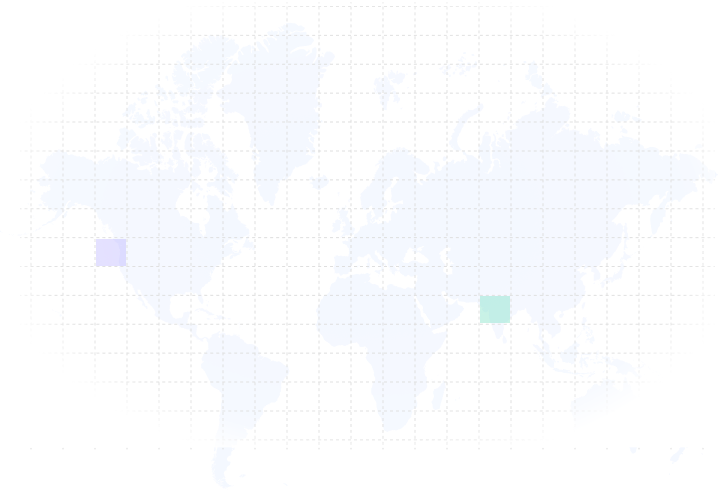
Almonds World Map
MARKET CONTEXT

Almonds Trading: California Supply, Indian Import Demand and Corridor Dynamics

Almonds are the world's most traded tree nut by volume and value, with California supplying approximately 80% of global almond export volumes from the San Joaquin Valley growing region. India is consistently one of the world's largest almond importers, with annual import volumes driven by strong retail consumption, gifting culture, and growing use of almonds in food manufacturing and food service applications. The California to India almond corridor is one of the most established agricultural commodity trade routes globally, though it is shaped by bilateral trade policy dynamics, US dollar to Indian rupee exchange rate movements, and California crop cycle variability that together make corridor execution more complex than the scale of the trade might suggest.

California Almond Production and Export Supply

California's San Joaquin Valley is the source of the overwhelming majority of the world's commercial almond supply. The Central Valley's Mediterranean climate, irrigated farming infrastructure, and decades of varietal development have made California almonds the global standard for quality, consistency, and scale. California almond production runs on an annual cycle with harvest occurring between August and October, processing and hulling completed through October and November, and the primary export shipping season running from October through the following July as the annual crop is drawn down.

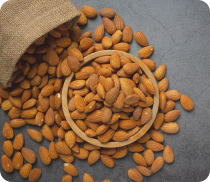
  • Non Pareil is the most widely traded California almond variety globally, valued for its soft shell, bright kernel skin, and suitability for a wide range of food applications including snacking, blanching, slicing, and confectionery use. Non Pareil almonds command a price premium over pollinizer varieties and are the benchmark against which all other almond varieties are priced in international trade. Independence is one of the primary pollinizer varieties traded in the Indian market, valued for its firmer texture and competitive pricing relative to Non Pareil, and widely used in food manufacturing, processing, and institutional food service applications in India.
  • In-shell almonds — the format traded by Hectar's almonds desk — are imported into India for retail sale in the in-shell format, which is consumed as a snack and gifting product across the Indian market. In-shell almond import volumes in India are significant, with the in-shell segment commanding distinct demand from the shelled kernel segment, which is imported separately for food processing and manufacturing applications. California in-shell almonds are assessed on shell integrity, fill percentage (the proportion of kernel weight relative to total in-shell weight), and kernel quality parameters including moisture, free fatty acid levels, and mold absence.

Indian Almond Import Market

India is among the world's largest almond importers, with imports running into hundreds of thousands of metric tonnes annually across in-shell and shelled categories. Indian demand is driven by multiple consumption segments: household retail, gifting occasions particularly during Diwali and wedding seasons, health food and dry fruit retail chains, and food manufacturing and processing operations using almonds as an ingredient.

  • The California to India in-shell almond corridor is subject to bilateral trade policy dynamics that have introduced material complexity over the past several years. India imposed retaliatory tariffs on US almonds in 2019 in response to US steel and aluminum tariffs, with duty rates increasing substantially from previous levels. These duty increases raised landed costs for California almonds in India and created a sustained period of demand suppression and substitution towards Australian almonds and other origins. The duty environment has subsequently been a subject of ongoing trade negotiation between India and the United States, and the current duty rate applicable to US in-shell almonds is a primary determinant of the corridor's economic viability for buyers and trading desks at any given time.
  • Import volumes and pricing for California almonds in India are also directly affected by the US dollar to Indian rupee exchange rate. Indian buyers price almond imports in US dollars, and rupee depreciation against the dollar raises landed costs in rupee terms, compressing domestic selling margins for importers and distributors. Exchange rate movements are therefore an active variable in trade structuring, particularly for forward purchases made months before vessel arrival in India.

California Crop and Supply Variables

California almond crop size and quality are the primary supply-side variables affecting corridor pricing each year. Water availability in the San Joaquin Valley is the most critical input constraint. California's agricultural sector has faced sustained water management pressure arising from prolonged drought cycles and regulatory limits on groundwater extraction, with almond orchards — among the most water-intensive tree nut crops — particularly exposed to water cost and availability risk. Seasons with severe water stress can reduce crop yields and push up FOB prices from California handlers.

  • Pollination conditions in February and March, when California almond orchards require bee pollination during the bloom period, are another key crop variable. Late rains, cold temperatures, or wet conditions during bloom can reduce pollination efficiency and directly affect crop size. Annual crop size estimates released by the Almond Board of California (ABC) in May and July are closely watched by international buyers as the primary inputs into price forecasting for the upcoming export season.

Key Trade Risk Factors

Indian import duty risk is the most significant policy variable in the California to India almond corridor. Duty changes can alter landed cost economics substantially and affect the competitive positioning of California almonds relative to Australian and other origins in the Indian market. Active monitoring of India-US trade negotiations and Ministry of Finance tariff notifications is a standard component of corridor management for this trade.

  • California water and crop risk affects FOB pricing from the origin side. Water cost increases and regulatory constraints on groundwater extraction add to California almond production costs over time, with knock-on effects on export pricing. Annual crop size variability introduces year-to-year price movements that affect the economics of forward purchase commitments made before crop size is confirmed. Exchange rate risk between the US dollar and Indian rupee introduces margin exposure on CFR-priced trades with extended lead times from purchase to delivery.

WHO WE ARE?

Specialists in the Almonds Trade

Operating across the California–India corridor, we connect origin supply with destination demand through disciplined, execution-driven physical trading.

Almonds
Almonds

California–India Almonds Corridor

We source in-shell almonds directly from California and supply Indian food processors and buyers with consistent sizing, quality, and shipment reliability.

Almonds
Almonds

Built for the Long Term

Our almonds desk prioritises repeat trade flows over opportunistic transactions, building continuity with origin partners, logistics providers, and destination buyers.

Almonds
Almonds

From Origin to Delivery

We manage the full almonds trade lifecycle—from specification alignment and procurement at origin to shipment execution, documentation, and delivery into India.

FOR SUPPLIERS

Buying Almonds from Origin Markets

Hectar sources in-shell almonds from California and aligns procurement to destination demand, grade requirements, and shipment windows into India.

Why suppliers work with Hectar
  • Almonds Variety-specific procurement: Non Pareil and Independence in-shell, aligned to Indian market demand profile
  • Almonds Size and fill percentage alignment before procurement to meet destination buyer specifications
  • Almonds Pre-shipment inspection covering shell integrity, kernel moisture, fill percentage, and free fatty acid levels
  • Almonds Fumigation and phytosanitary certification management for Indian import compliance
  • Almonds Documentation management including USDA phytosanitary certificates, certificate of origin, weight certificates, and quality inspection reports
Primary sourcing origins
United States of America United States of America
FOR BUYERS

Supplying Almonds to India

India is the primary destination market for Hectar’s almonds trading activity. We supply buyers that require consistent sizing, predictable arrivals, and disciplined execution across shipments.

What processors value
  • Almonds Non Pareil and Independence variety clarity with consistent sizing within each variety
  • Almonds Shell integrity: minimum broken shell percentage within agreed tolerance
  • Almonds Fill percentage aligned to destination buyer requirements for retail and food manufacturing applications
  • Almonds Moisture content and free fatty acid levels within Indian food import standard tolerances
  • Almonds FSSAI-compliant documentation and USDA phytosanitary certification
  • Almonds Current import duty documentation and customs compliance management
  • Almonds Reliable shipment scheduling with advance ETD and ETA communication

Supply decisions are structured around processor intake requirements, prevailing market conditions, and shipment feasibility across origin corridors.

Product & Trade Specifications

Hectar trades in-shell almonds aligned with destination market specifications and commercial requirements.

Almonds Specifications
VARIANTS
Non Pareil In-shell, Independence In-shell
ORIGINS
United States of America United States of America

OUR KEY FOCUS

Risk, Quality and Market Intelligence

Almonds markets are shaped by crop cycles, quality dispersion, sizing outcomes, shipment execution, and price movement. Hectar manages these factors through structured monitoring and disciplined trade execution.

Indian Import Duty Risk

India's import duty on US almonds has been subject to significant adjustment arising from bilateral trade policy developments. Current duty rates are a primary input into landed cost calculations for California almond imports into India. Hectar monitors India-US trade relations and Ministry of Finance tariff notifications as a standard component of corridor management, and structures trades with awareness of the current duty environment and the risk of further adjustment.

California Crop and Water Risk

California almond crop yields are sensitive to water availability, pollination conditions during February and March bloom, and temperature events during the growing season. Water management constraints in the San Joaquin Valley add structural cost pressure to California almond production over time. Annual crop size estimates from the Almond Board of California are monitored from May as the primary input into forward price assessment.

US Dollar to Indian Rupee Exchange Rate

The USD to INR exchange rate directly affects landed cost in rupee terms for Indian buyers of California almonds. Rupee depreciation between the date of forward purchase and vessel arrival can compress Indian buyer margins, particularly on trades with extended lead times from purchase to delivery. Exchange rate hedging and trade structuring to reduce exposure to unfavorable currency movements are active considerations in this corridor.

Shell and Kernel Quality Claims

In-shell almond quality claims on arrival at Indian ports typically relate to broken shell percentage, fill shortfalls relative to stated specifications, and moisture or free fatty acid exceedances. Pre-shipment inspection with documented sampling and quality measurement provides the reference baseline for any claims arising post-arrival. Fumigation and phytosanitary compliance are managed upfront to prevent customs hold or rejection at Indian ports.

Market Intelligence & Thought Leadership

Our trading activity is supported by ongoing market analysis, crop intelligence, and
trade-flow research published on Hectar Insights.

Explore all

Frequently Asked Questions

Here are answers to common questions we receive from suppliers at origin and processors in destination markets, covering trade structures, specifications, quality controls, and how to engage with Hectar's trading desk.

We trade Non Pareil In-Shell and Independence In-Shell almonds sourced from California. Non Pareil is the premium benchmark variety for the Indian import market. Independence is a pollinizer variety with firm texture, widely used in Indian food manufacturing and food service applications.

India has a well-established in-shell almond import market driven by retail snacking, gifting, and household consumption. In-shell almonds represent a distinct import segment from shelled kernel, with separate demand drivers, pricing dynamics, and import specifications. Hectar's almonds trading desk is focused on supplying the in-shell segment of the Indian market.

Indian import duty on US almonds is applied as a percentage of the CIF value and directly affects the landed cost in India. Duty rate changes can alter the economics of California almond imports relative to Australian and other origins significantly. We manage duty risk as part of our standard corridor monitoring and trade structuring process.

Pre-shipment inspection covers shell integrity, fill percentage, kernel moisture content, free fatty acid levels, and phytosanitary compliance. Inspection reports are retained by both parties as the reference basis for any quality claims post-arrival at Indian ports.

California almonds are harvested from August to October each year, with the export season running from October through the following July. Trade timing decisions are influenced by crop size estimates released by the Almond Board of California in May and July, new-crop pricing dynamics post-harvest, and Indian market seasonal demand patterns including pre-Diwali import procurement activity.

Submit an enquiry through the contact form with details on your role, location, volume requirements, and variety needs. Our almonds trading desk will respond with a structured onboarding conversation.

Ready to engage with Hectar's
Almonds Desk?

If you are a supplier at origin or a buyer in destination markets, submit the contact form and we'll connect you with the Almonds trading desk.